Salsa Fundamentals for Adults Over 45
Salsa is energetic but totally learnable. This covers the basic rhythm, weight shifts, and how to find your confidence on the dance floor.


Why Salsa Works at Any Age
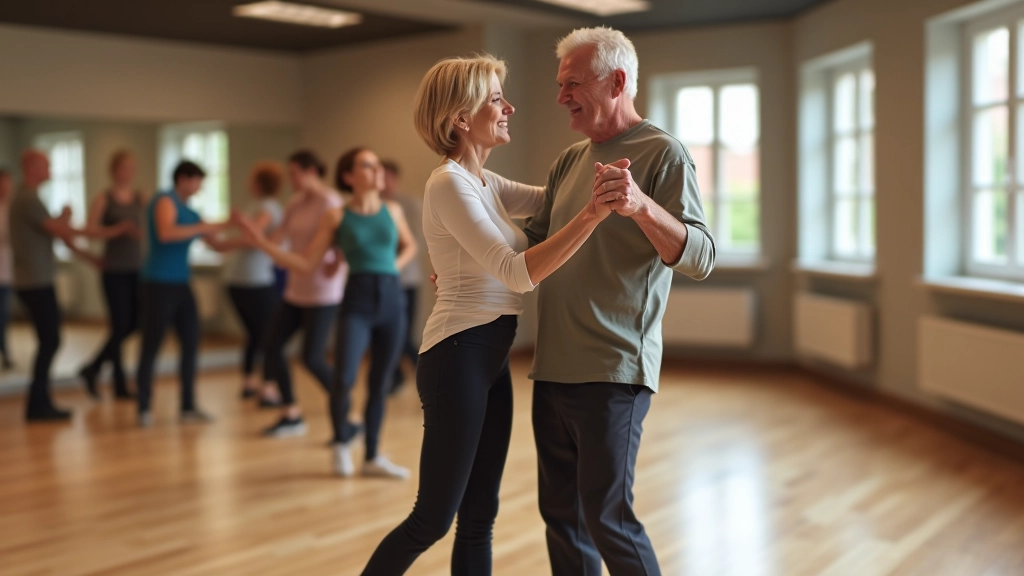
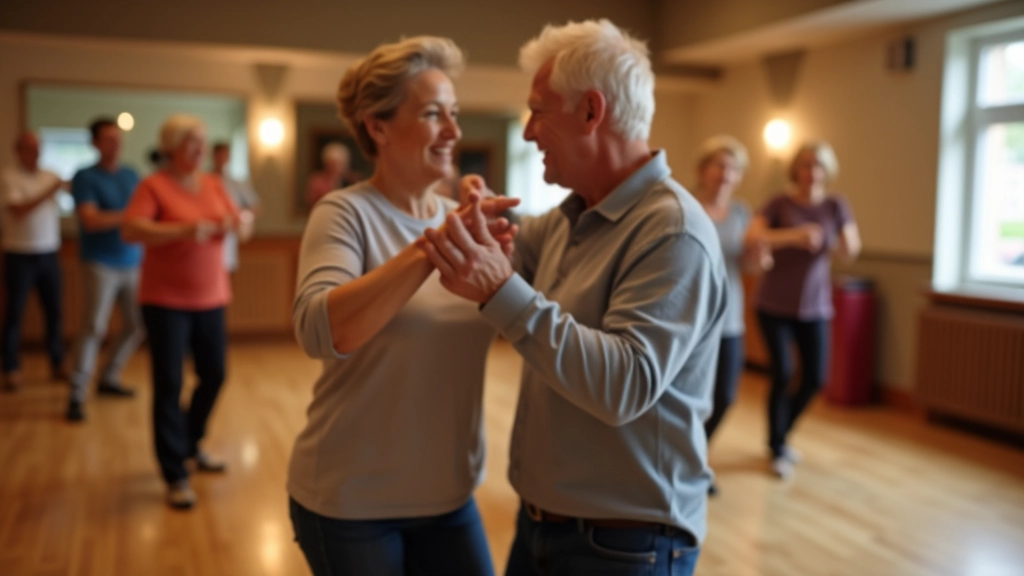
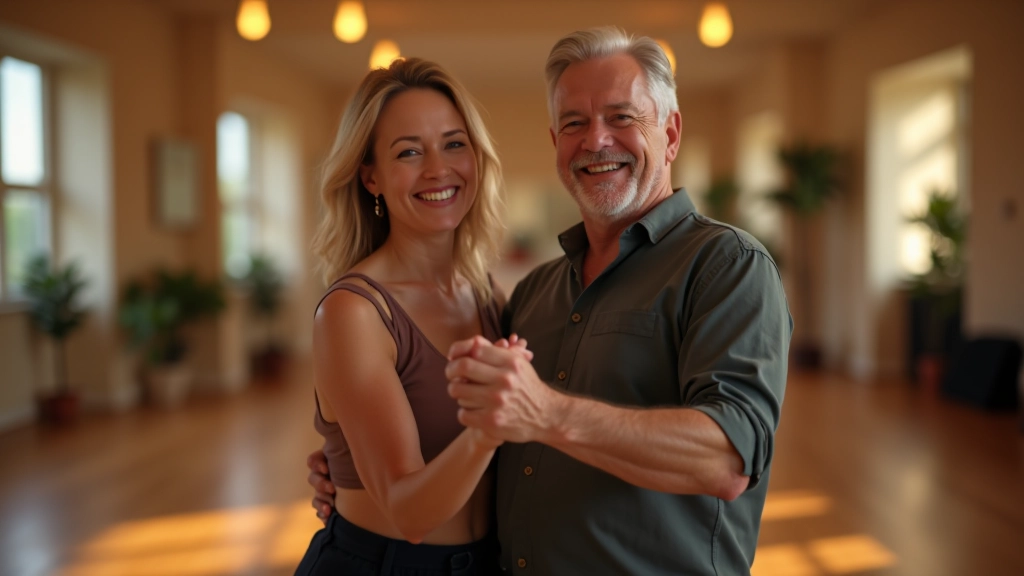
There's a common misconception that salsa is only for younger dancers. It's not. We've trained hundreds of people over 45, and honestly, they often become the most dedicated dancers in our studios. They're focused, they show up consistently, and they actually care about learning properly.
Salsa rhythm is learnable. The footwork is logical. Once you understand the basic pattern — and it really does click within a few weeks — the rest is just repetition and practice. You don't need to be flexible, you don't need to be young, and you definitely don't need to be coordinated when you start.
Understanding the Basic Pattern
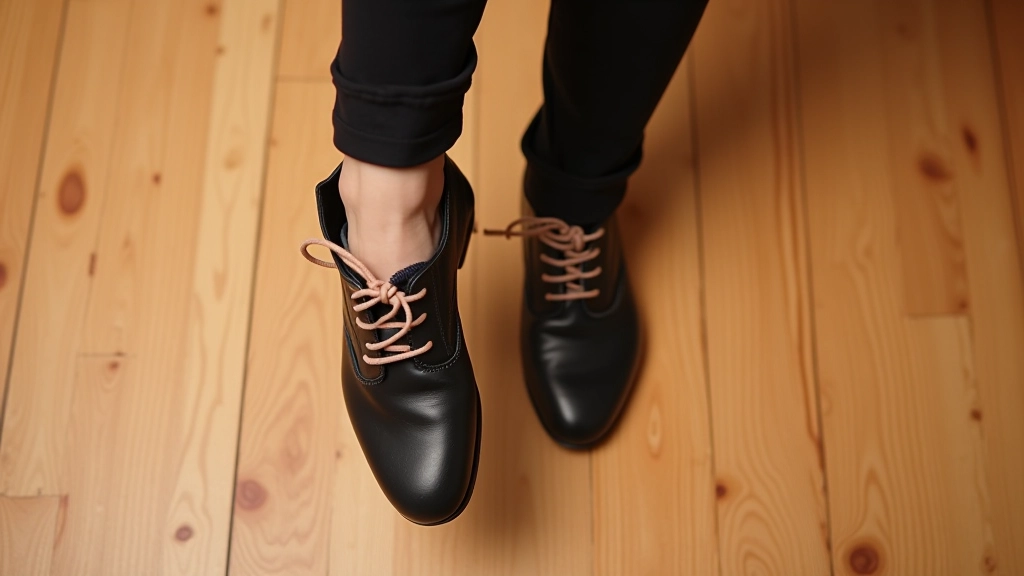
Salsa isn't complicated. The rhythm is built on an 8-count pattern, and you're going to hear it in the music almost immediately. Most classes spend the first few weeks just walking through the steps without music. Step forward on count one. Step back on count five. That's it.
The 8-Count: Forward, 2, 3, (pause). Back, 6, 7, (pause). You'll repeat this pattern hundreds of times until it becomes muscle memory. Most people nail this within 3-4 sessions.
What's helpful is that salsa rhythm repeats. Once you understand the basic pattern, you can apply it to different variations. The footwork changes, but the underlying count stays the same. This predictability is actually why people over 45 often find salsa easier than they expected — your brain appreciates structure.
Weight Shifts and Body Connection
Here's where it gets interesting. Salsa isn't just your feet moving. It's your weight shifting from one side to the other. This is something you'll learn from day one, and honestly, it's what makes salsa feel natural once it clicks.
When you step forward, your weight goes fully onto that front leg. Your hips shift. Your torso follows. It's a connected movement, not separate pieces. Instructors often call this "hip action," and it sounds intimidating until you realize it's just what naturally happens when you walk with proper weight distribution.
1
Weight starts centered
2
Step forward, shift weight fully
3
Return weight to center

Building Confidence on the Dance Floor
Confidence comes from repetition. In our experience, dancers typically feel genuinely comfortable by week 6-8 of regular classes. That's not a long time. You'll spend maybe 12-15 hours in class before you feel like you actually know what you're doing.
What helps is that salsa is social. You're not just doing steps alone in a mirror — you're dancing with partners, you're in a group, and everyone's learning. The person next to you making mistakes? They're probably feeling the same nervousness you are. That shared experience builds a real community pretty quickly.
Three Things That Help Early On
- Show up consistently — even twice a week makes a huge difference
- Don't overthink the footwork — muscle memory develops faster than you'd expect
- Talk to other beginners — you're all in the same boat and it helps
Getting Started: What to Expect
Your first class won't be complicated. You'll show up, the instructor will break down the basic pattern, and you'll spend most of the time just walking through steps. There's no pressure to be good immediately. Everyone's a beginner at some point.
Footwork First
Classes typically start with the basic step. You'll learn the pattern without music first, then add music once your feet know what they're doing.
Partner Work
After a few weeks of basics, you'll start dancing with partners. Instructors rotate partners so everyone gets comfortable leading and following.
Rhythm and Music
You'll learn to recognize the beat in salsa music. It's distinctive and once you hear it, you'll start noticing it everywhere.
Progressive Learning
Basics take 4-6 weeks. After that, you'll start learning turns, styling, and more advanced patterns. The progression is logical and paced well.
You're Not Too Old to Start
Honestly, if you're over 45 and thinking about salsa, you've got several advantages. You're patient. You understand that good things take practice. You're not trying to be a professional dancer — you just want to have fun and learn something new. That mindset is exactly what makes someone a great beginner dancer.
The footwork is logical. The rhythm is learnable. The community is welcoming. And within 2-3 months of regular classes, you'll actually be dancing salsa. Not struggling through it — actually dancing and enjoying yourself. That's a real, achievable goal. Start with the basics, show up consistently, and you'll get there.
Educational Information Disclaimer
This article is for educational and informational purposes only. It's not a substitute for professional instruction. Everyone's body is different, and what works for one person might need adjustment for another. If you have any physical limitations, injuries, or health concerns, consult with your doctor or a physical therapist before starting any new dance program. Our certified instructors can provide modifications and personalized guidance when you start classes.
Related Articles