
Salsa Fundamentals for Adults Over 45
Salsa is energetic but totally learnable. This covers the basic rhythm, weight shifts, and what to expect in your first energetic class.
Read MoreBachata isn't as intimidating as it looks. We break down the basic steps, the rhythm patterns, and what to expect in your first class.
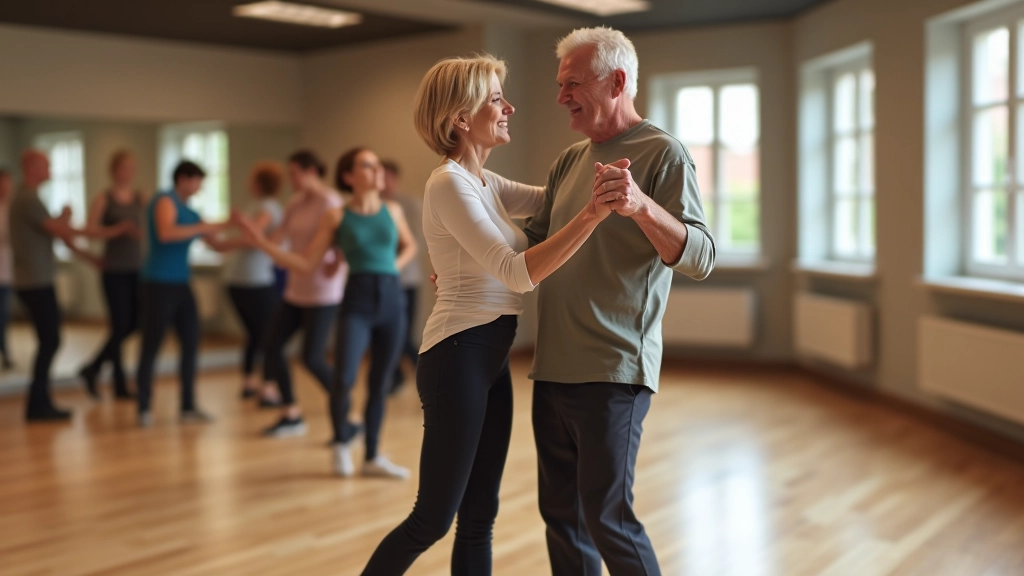

Here's the thing about bachata — it's slower than salsa, which is why a lot of people think it'll be easier. But that slowness actually makes it harder to hide mistakes. You've got time to feel every movement. And that's honestly a good thing.
Most beginners expect choreography. Instead, you'll learn basic patterns that repeat. We're talking about maybe 5-6 fundamental moves that you'll use over and over in different combinations. Master those, and you'll be dancing within weeks. Plus, the music is beautiful. Once you hear a few bachata tracks, you'll understand why people fall in love with this dance.
Every bachata song sits on a four-count rhythm. The basic box step uses all four beats. You're essentially moving forward-side-together, then back-side-together. That's it. The pattern repeats for the entire song.
Here's what catches people: the hip movement isn't optional — it's actually part of how the dance works. When you step forward on count 1, your hip naturally moves. It's not a conscious "move your hip" moment. It just happens because of the weight shift. Beginners often try to isolate their hips separately, which makes everything look stiff.
Your instructor will probably spend the first session just on the basic. Don't rush it. Three weeks of solid basics beats three weeks of rushing through variations you can't actually do yet. We've seen it — students get frustrated because they're learning 10 things at once instead of doing 1 thing really well.
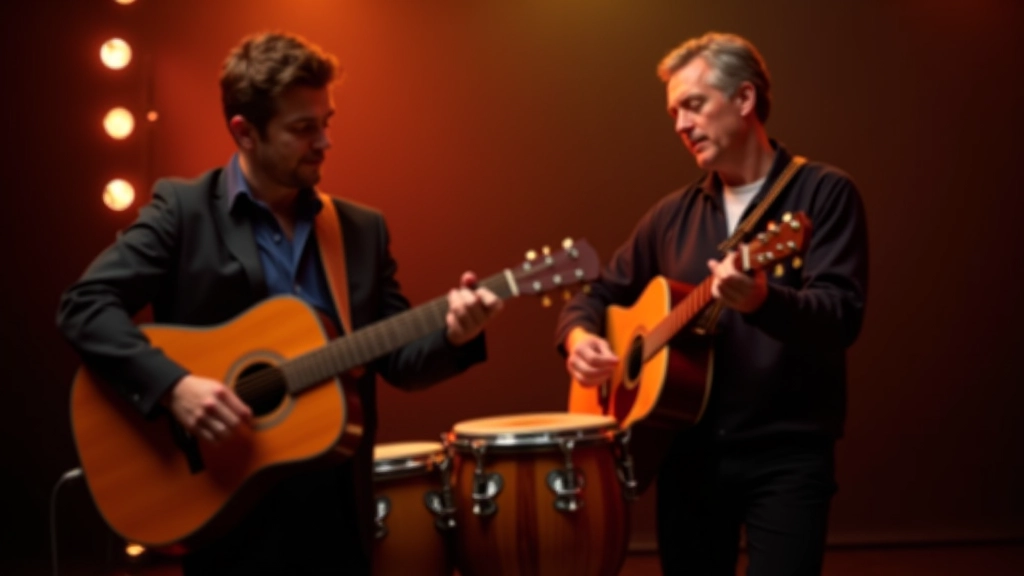
Bachata music has a consistent structure. You'll hear guitars, percussion, and vocals all working together. The rhythm pattern is steady — 1-2-3-pause-5-6-7-pause. That pause on beat 4 and 8 is where the magic happens. Dancers usually syncopate there, meaning we add a little hip movement or style flourish during the pause.
Don't worry about counting the exact timing. After 2-3 classes, your body just feels it. The music becomes predictable. You'll recognize when a verse is ending and a chorus is starting. Your partner will feel more solid. And suddenly dancing to a new song doesn't feel like learning something new — it's just applying what you already know.
One thing instructors always mention: bachata is romantic. The lyrics often tell stories about love, heartbreak, longing. Even if you don't speak Spanish, the emotion comes through. That emotional quality is why some people find bachata more meaningful than other dances. There's something genuine about moving to music that actually has something to say.
Most bachata classes start the same way: stretching for 5-10 minutes, then warm-ups that get you moving. Your instructor will explain the basic step, break it down into pieces, then have you practice it solo first. Then you'll partner up.
5-10 minutes of gentle movement to get your body ready
Solo practice of the fundamental box pattern
Working with a partner to understand lead and follow
Putting it together with an actual bachata song
The first class is usually awkward. Your feet feel clumsy. You're thinking about every step. And if you're partnering with someone new, there's that initial awkwardness of holding a stranger and trying to move together. That's completely normal. Everyone in that class felt exactly the same on their first day.
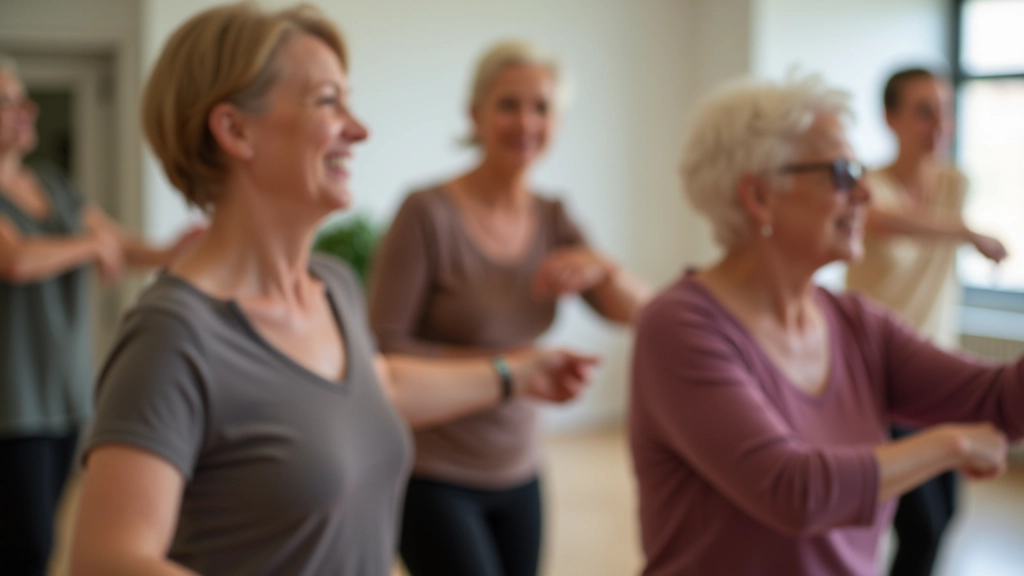
Dance shoes or smooth-soled shoes help. Sneakers with sticky bottoms will mess with your footwork. Barefoot is actually fine if the studio allows it — gives you better floor feel.
Your brain wants to count and analyze everything. That's fine for the first week. By week two, trust your body. The step becomes muscle memory faster than you'd think.
Once a week is fine, but twice a week accelerates progress. Your body remembers patterns better with repetition. You'll solidify basics in half the time.
Spend time with the music. Recognize the rhythm. Your ear learns the patterns, which makes dancing feel more natural when you're in class.
Everyone's learning. If you're leading, be clear but gentle. If you're following, trust the lead. Communication through movement takes time.
You'll feel noticeably better by week 6. The basic step will feel automatic. Your confidence jumps. That's when dancing actually becomes fun.
Bachata has this way of drawing people in. It's slower than salsa, more intimate, and somehow more emotionally connected. You're not just moving — you're telling a story with your partner. That's what keeps people coming back.
The first few classes will feel clumsy. Your feet will hurt. You'll wonder if you're doing it right. Then something shifts. Your body stops fighting you. The music starts making sense. Your partner becomes less of a stranger and more of a collaborator. That's when you'll understand why bachata is special.
Don't expect perfection. Expect progress. Show up consistently, listen to your instructor, and give yourself permission to be a beginner. Everyone in that studio was exactly where you are now. And they all got better.
This guide is informational only and based on general dance instruction practices. Individual experiences vary depending on your fitness level, background, and instruction quality. Always consult with a qualified dance instructor before starting any new dance practice, especially if you have physical limitations or health concerns. Dance instructors are not medical professionals, and dancing is a physical activity that carries inherent risks. Proper warm-up, appropriate footwear, and listening to your body are essential for safe practice.