Health Benefits of Social Dancing After 45
It's not just fun. Dancing improves balance, coordination, cardiovascular health, and mental well-being. Here's what the research actually shows.
Why Dancing Matters More After 45
Getting older doesn't mean slowing down. Your body actually needs MORE movement, not less. And here's the thing — it doesn't have to feel like exercise.
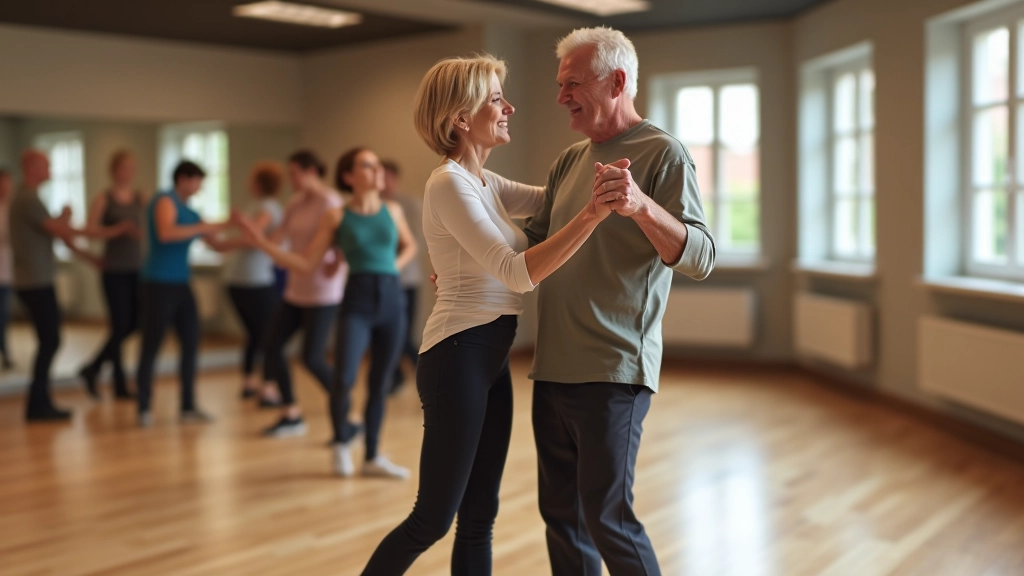
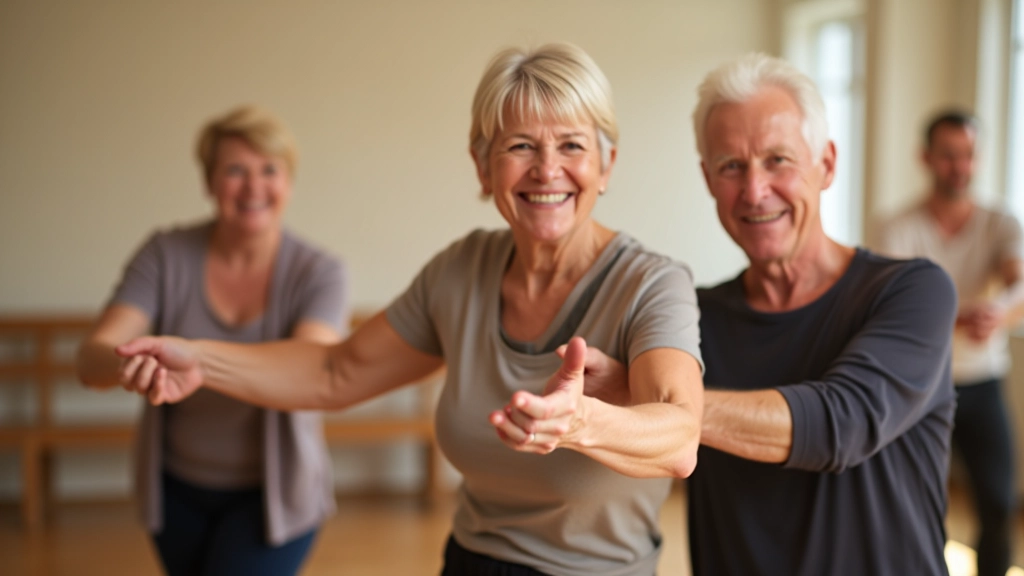
Social dancing does something that treadmills and weight rooms don't. It combines cardio, strength, balance work, and cognitive engagement all at once. You're moving, thinking, connecting with people, and having fun. That's not a workout. That's living.
Cardiovascular Improvement
Regular dancing strengthens your heart and improves circulation, reducing strain on the cardiovascular system.
Better Balance & Stability
Dance movements train proprioception and core strength, significantly lowering fall risk as you age.
Cognitive Benefits
Learning choreography, remembering steps, and reacting to music keeps your mind sharp and engaged.
Physical Health: What Actually Changes
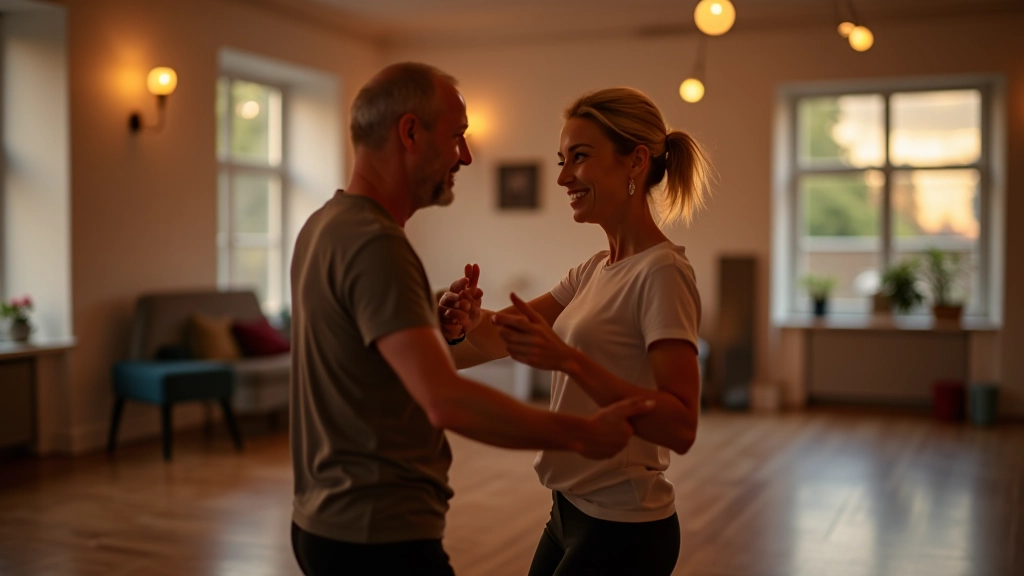
You don't need a gym membership to build strength. A single bachata class works your legs, core, arms, and back through constant movement and weight shifts. Most people don't realize how much effort they're putting in because they're focused on the music and their partner.
Within 6-8 weeks of regular dancing, you'll notice real changes. Your posture improves — people start standing taller naturally. Your stamina increases. Stairs feel easier. That's not coincidence.
Resting heart rate drops by 5-10 beats per minute after
consistent dancing
Improved flexibility and range of motion, especially in hips
and shoulders
Increased bone density through weight-bearing movement
Better sleep quality and deeper rest at night
Mental Health: The Connection Nobody Expects
Here's where dancing gets really powerful. You're not just exercising — you're connecting with people, experiencing music, and learning something new. That combination does things to your brain that running on a treadmill never will.
Anxiety and depression rates drop noticeably in people who dance regularly. Why? Because you can't be fully present on the dance floor and in your worries at the same time. The music forces your attention into the moment.
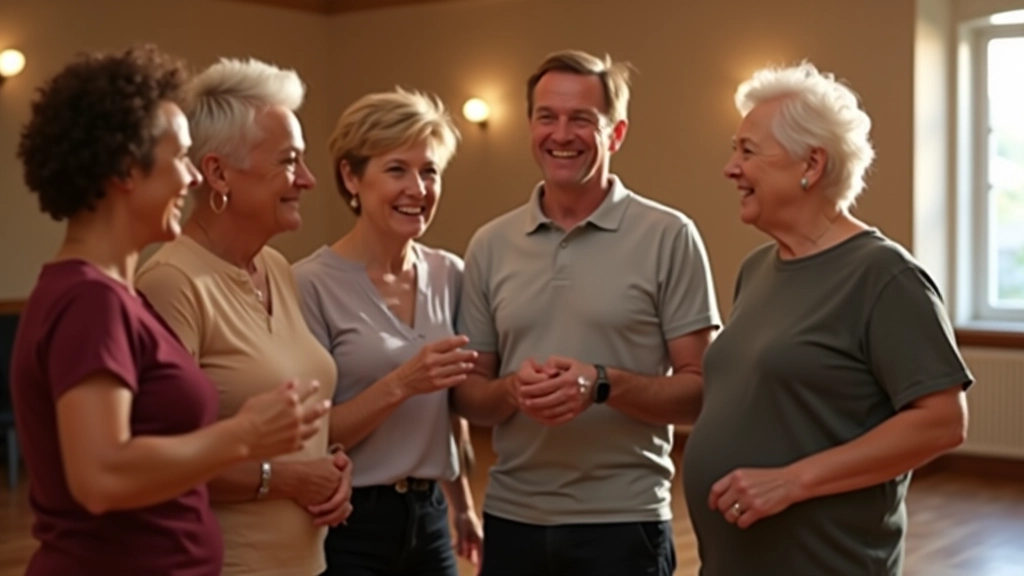
Plus, you're in a room with other people who get it. There's zero judgment. Everyone's there to learn and have fun. That sense of belonging matters more than people admit, especially as we get older.
Balance, Coordination & Fall Prevention
Falls are a major concern after 45. They're one of the leading causes of injury and loss of independence. Dancing directly addresses this problem.
Every movement in dance — weight shifts, directional changes, stepping backward, turning — trains your proprioception. That's your body's awareness of where it is in space. You're literally reprogramming your balance system with every lesson.
34%
Reduction in fall risk after 6 months of regular dancing
2x
Improvement in reaction time and coordination
45%
Better stability in daily activities like walking on uneven ground

How to Get Started Safely
The beauty of social dancing is that it meets you where you are. You don't need to be flexible or coordinated. You don't need a background in dance. Everyone starts as a beginner.
Start with beginner classes. They're designed for people with zero experience, and the pace lets your body adapt gradually. Most studios offer 90-minute sessions, two to three times per week. That's enough to build strength and confidence without overdoing it.
Listen to your body. If something hurts, tell your instructor. They'll show you modifications. Dancing should feel good, not painful. And it does — most people feel energized, not exhausted, after a class.
The Real Benefit: Feeling Alive
We could talk about heart rates and bone density and balance improvements. Those are all real. But the biggest benefit isn't measured in statistics.
It's the feeling of moving your body with intention and joy. It's the friends you make. It's walking taller, sleeping better, and waking up excited about something. It's proving to yourself that you're not slowing down — you're just getting started.
Dancing after 45 isn't about staying young. It's about being fully alive at any age.
Important Disclaimer
This article is for informational and educational purposes only. While social dancing offers numerous health benefits, it's not a substitute for professional medical advice. Before starting any new exercise program, including dance classes, consult with your doctor or healthcare provider — especially if you have existing health conditions, injuries, or concerns. Individual results vary, and what works for one person may differ for another. Always listen to your body and work with qualified instructors who can provide modifications suited to your needs.
Related Articles